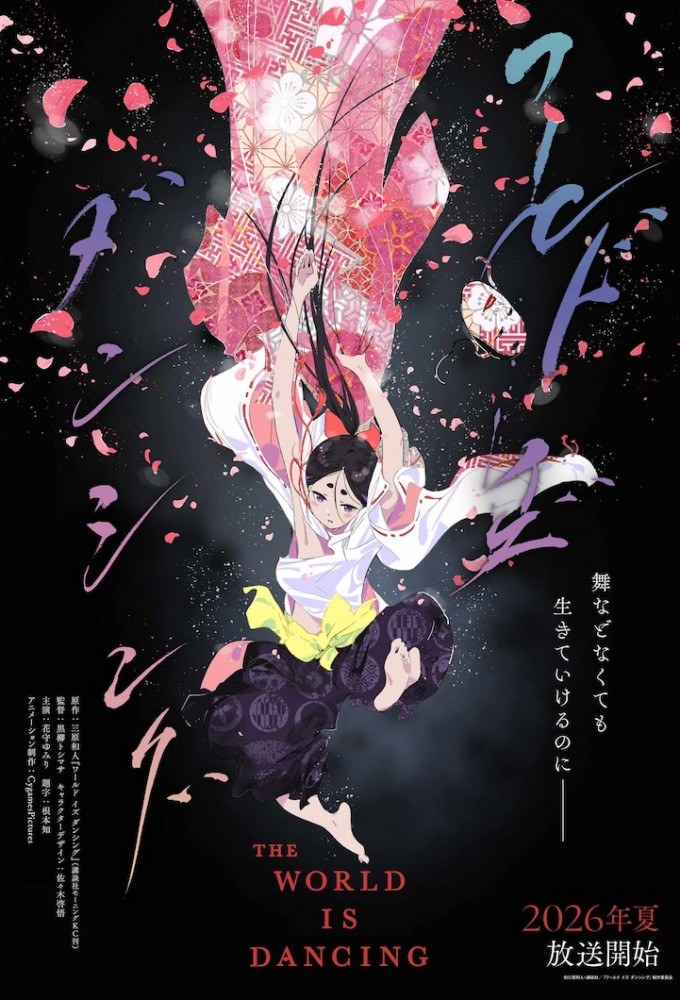
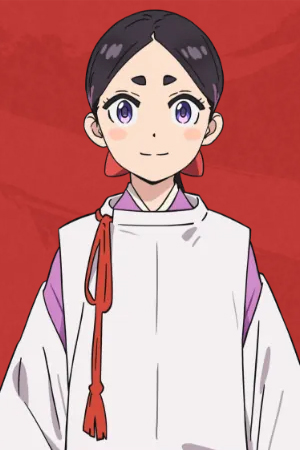
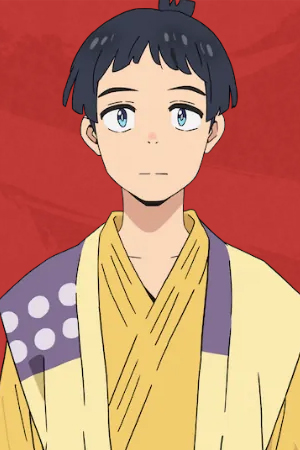
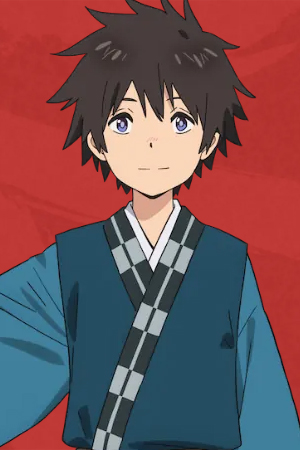
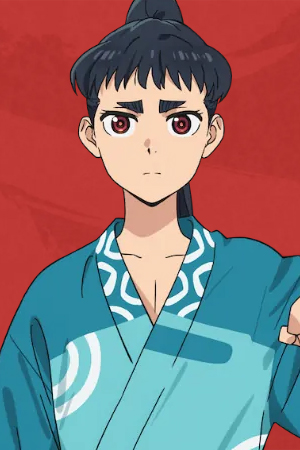
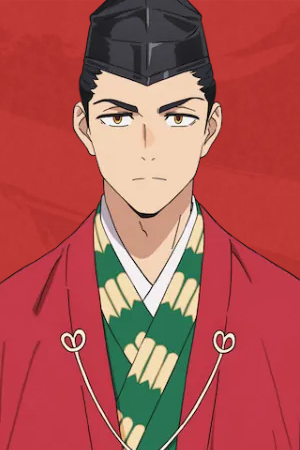
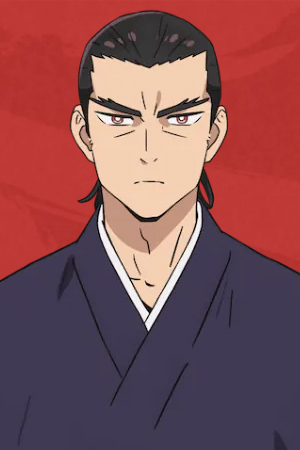
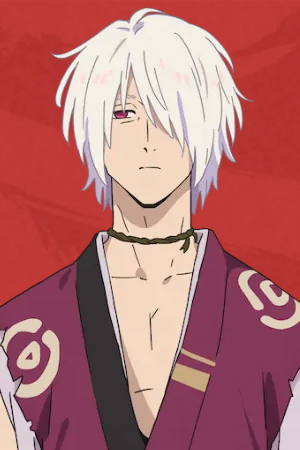
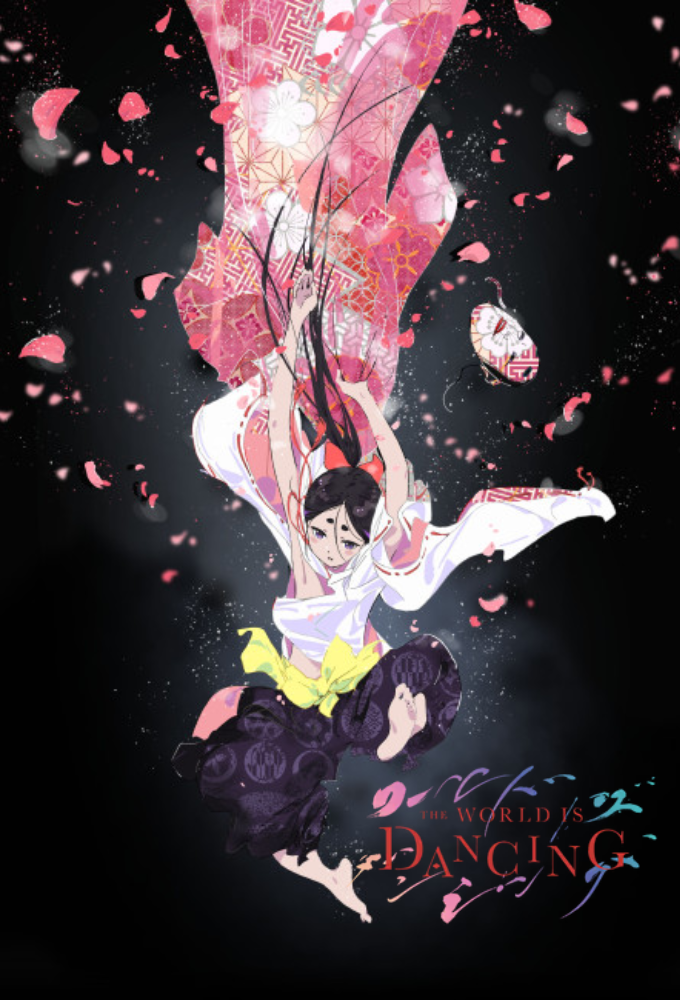
1374年、南朝と北朝二つの朝廷の争いが続く動乱の時代、
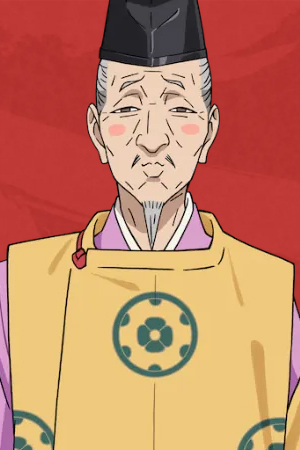
北朝の征夷大将軍・足利義満は着々と権力を強めていた。
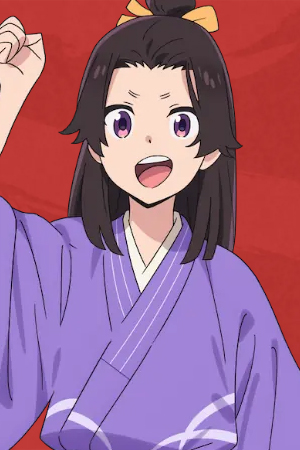
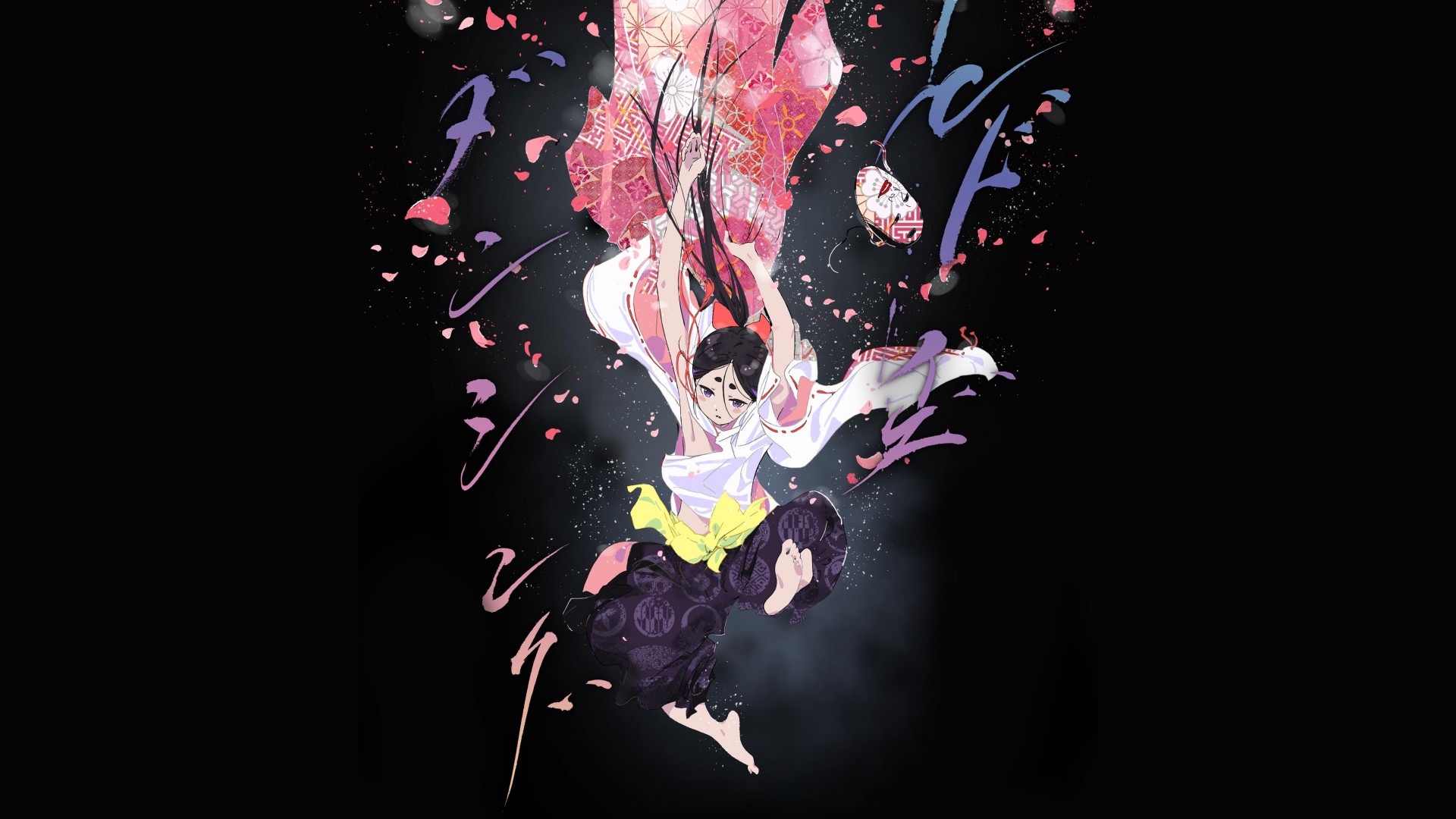
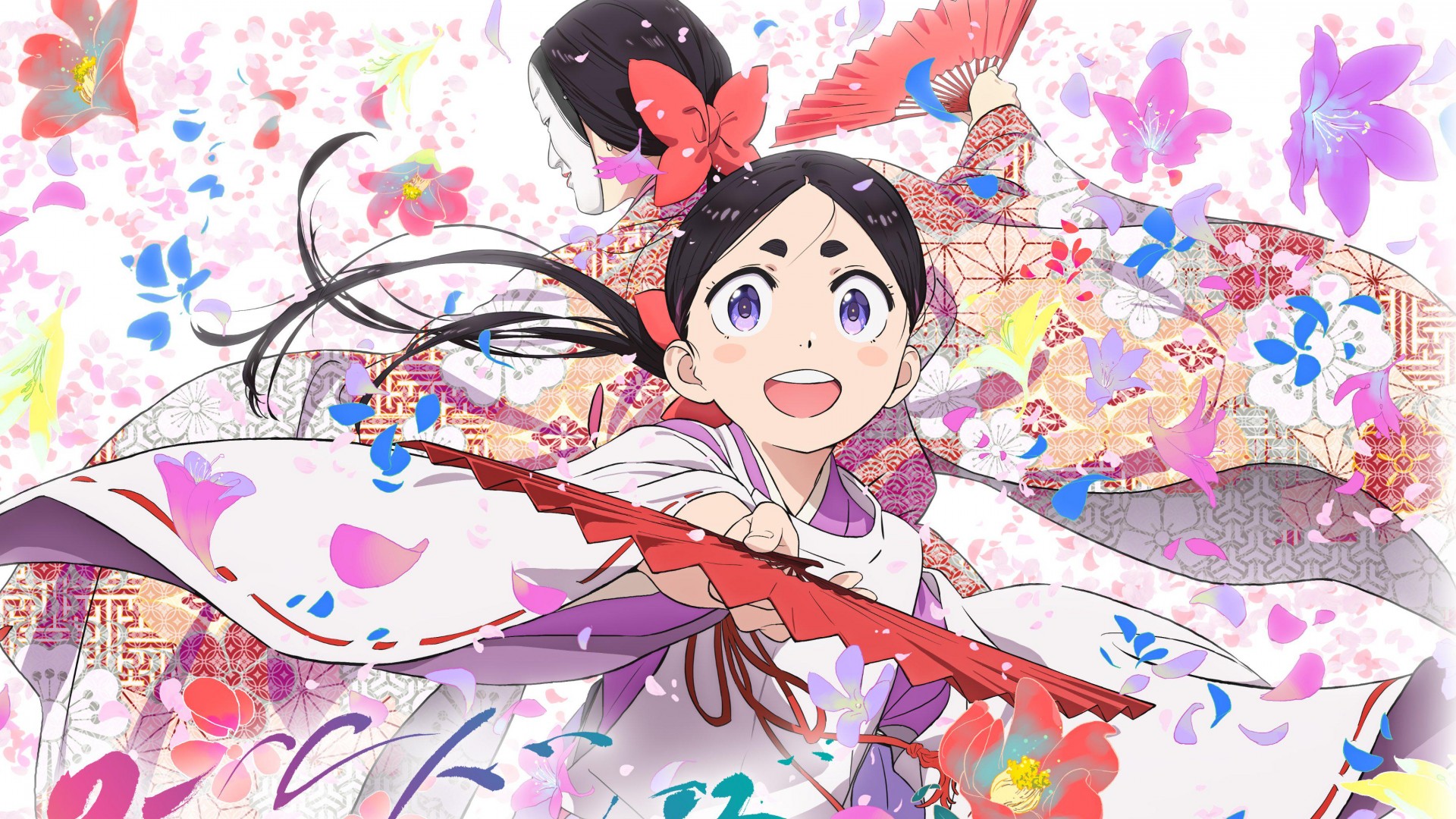
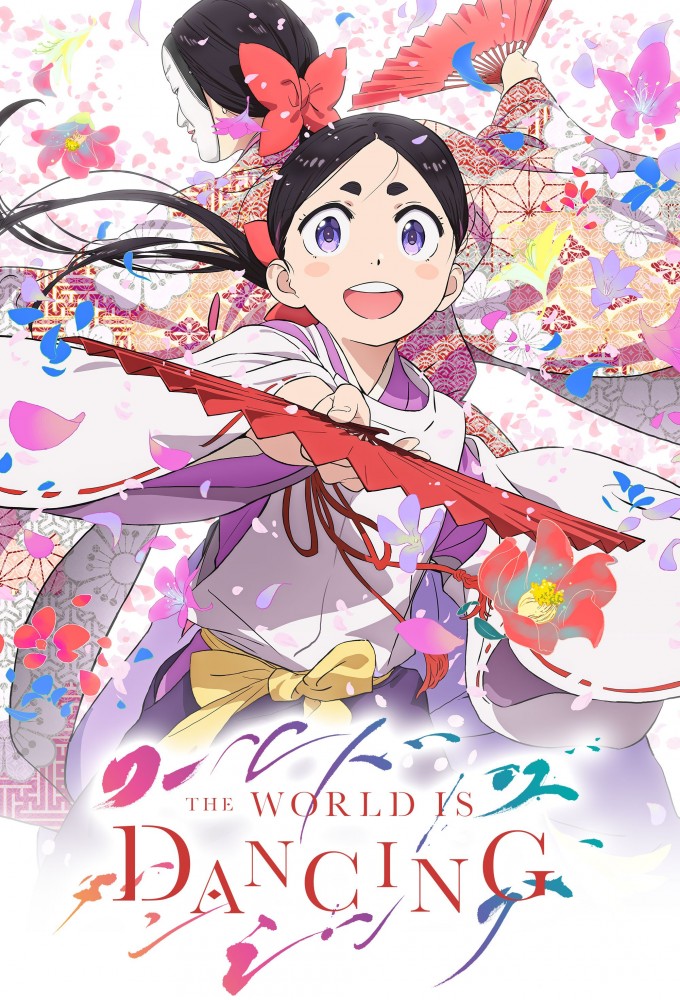
猿楽を舞う観世座の座頭・観阿弥の子として生まれた少年、鬼夜叉。
「なぜ人は舞うのか」ぼんやりした疑問を抱えながら、
気持ちの晴れない日々を過ごしていたが、ある日『よい』舞に出会う。
好奇心の強い美しき少年は人と出会い、笑い、泣き、自分の情けなさと向き合いながら、
無常の世に生きる新しい舞を形作っていく―
Aliases
- Wārudo izu danshingu
- Waarudo izu danshingu
In 1374, amid the turmoil of the Northern and Southern Courts’ long running conflict, a boy named Oniyasha is born into a family of sarugaku theater performers. He spends his days in a kind of quiet gloom, haunted by a simple but persistent question: Why do people dance? Then, one day, he witnesses a dance that he feels to be “good”—and everything begins to change. This is the story of the beautiful young boy who would one day shape the art of Noh and be remembered as Zeami.
Aliases
Le jeune Oniyasha répète aux côtés de son père, Kan'ami, grand maître de l'art du sarugaku, l'ancêtre du théâtre nô. Ce garçon singulier s'interroge : « Le corps de l'oiseau est destiné à voler, celui du poisson à nager. Qu'en est-il de celui de l'homme ? » Il occupe tout son temps à danser sans en comprendre l'intérêt, jusqu'à sa rencontre avec une femme misérable s'adonnant à une danse maladroite. Ému au plus haut point, il explore avidement l'univers du corps et du mouvement. Ce récit nous plonge dans la vie de ce jeune garçon, qui deviendra Zeami, le créateur historique du théâtre nô.
Em 1374, durante a turbulenta época em que as cortes do Norte e do Sul estavam em conflito, o xogum da corte do Norte, Ashikaga Yoshimitsu, tornava-se uma força cada vez mais dominante. Filho de Kan’ami, chefe da trupe Kanze de artistas de sarugaku, Oniyasha passa os dias com uma pergunta nebulosa em seu coração: por que as pessoas dançam? Seu espírito permanece nebuloso até o dia em que encontra uma dança verdadeiramente “boa”. Curioso, sensível e impressionantemente bonito, o menino conhece pessoas, ri, chora, enfrenta suas próprias fraquezas e, aos poucos, começa a moldar uma nova forma de dança para um mundo imerso na impermanência.
Japonia, rok 1374. Kraj pogrążony jest w wojnie domowej między dwoma dworami cesarskimi – Północnym i Południowym. Oniyasha, syn mistrza teatru sarugaku, uczy się tańca, nie dostrzegając ani jego sensu, ani piękna. Wszystko zmienia się, gdy spotyka ubogo ubraną młodą kobietę, której z pozoru nieporadne ruchy poruszają go z siłą, jakiej nigdy wcześniej nie doświadczył. W świecie naznaczonym nieustannymi zmianami i przemijaniem chłopak będzie musiał zmierzyć się z własnymi słabościami, by dać początek zupełnie nowej formie tańca…
Im Jahr 1374, inmitten der Unruhen des langjährigen Konflikts zwischen dem Nord- und Südhof, fragt sich ein Junge namens Oniyasha, warum Menschen tanzen. Als Sohn einer Familie von Kanze-Sarugaku-Schauspielern, sieht er tagein, tagaus viele Tänze. Doch nur einen erachtet er als wirklich gut. Von da an verändert das Tanzen sein Leben, denn schon bald sollte Oniyasha die Kunst des Nō prägen und als Zeami in die Geschichte eingehen.
1374年,在南朝与北朝两个朝廷持续争斗的动乱时代,北朝的征夷大将军足利义满正一步步扩张自己的势力。
少年鬼夜叉是演出猿乐的观世座座头观阿弥之子。对于「人为什么要跳舞」,他心中一直怀着说不清的疑惑,却始终找不到答案。直到某一天,他遇见了「美好」的舞。这个充满好奇心的美丽少年在与人相遇、欢笑、落泪,并面对自己软弱的同时,逐渐创造出属于无常乱世的新型舞艺。
由三原和人创作,连载于《Morning》的震撼「能」漫画,终于动画化!唯有动画才能呈现的跃动舞姿与吟唱,以及一幕幕撼动人心的场景。由《启航吧!编舟计划》《后空翻少年!!》的黒柳トシマサ×《赛马娘:灰发灰姑娘》《光逝去的夏天》的Cypic,以及豪华的声优阵容所带来的超高质量动画即将盛放。
这是在日后创造出「能」的世阿弥还被称为鬼夜叉之时,或许曾真实发生过的故事——一个跨越六百年,流传至今的舞之物语。
Aliases
- 世界在起舞
- THE WORLD IS DANCING 世界在起舞
Nel Giappone del XIV secolo, un periodo segnato da guerre civili e profondi cambiamenti sociali, Oniyasha cresce all’interno di una compagnia itinerante di sarugaku, l'arte popolare che sarebbe poi diventata il Teatro Nō. Tra danze, recitazioni e spettacoli nei villaggi, il giovane osserva la vita degli altri senza riuscire a comprenderne appieno il senso: perché le persone danzano? Perché mostrano gioia e dolore attraverso il corpo? La sua curiosità prende forma quando assiste a una performance che scuote profondamente il suo spirito. Da quel momento, ogni incontro e ogni gesto diventano per lui un’occasione di scoperta: Oniyasha si mette alla ricerca del significato dell’arte, imparando a trasformare ogni passo e ogni espressione in un racconto capace di comunicare emozioni, segnando così il cammino che lo porterà a essere parte della storia del teatro giapponese.
En 1374, en medio del caos del prolongado conflicto entre las Cortes del Norte y del Sur, nace un niño llamado Oniyasha en el seno de una familia de artistas del teatro sarugaku. Pasa sus días sumido en una especie de melancolía silenciosa, atormentado por una pregunta simple pero persistente: ¿Por qué baila la gente? Un día, presencia una danza que le parece "bella", y todo comienza a cambiar. Esta es la historia del hermoso joven que un día moldearía el arte del Noh y sería recordado como Zeami.
1374 год - время двоевластия и распрей между Северным и Южным дворами и укрепления власти сёгуна Ёсимицу Асикаги. Онияся - сын популярного актёра и танцора Канъами, который управляет театральной труппой Кандзэ, однако сам Онияся не горит желанием наследовать ремесло отца и не понимает, зачем вообще людям нужны танцы. Но однажды он случайно видит по-настоящему очаровательный танец и впервые осознаёт, насколько это может быть прекрасно.
日本語
English
français
한국어
Português - Brasil
język polski
Deutsch
臺灣國語
大陆简体
italiano
español
русский язык