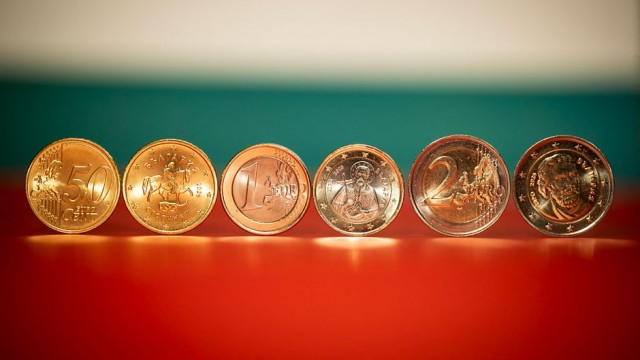
Bulgaria ha comenzado 2026 con el euro… pero también sin un gobierno y careciendo de presupuestos aprobados. El país más pobre de la Unión Europea se incorpora oficialmente a la eurozona mientras cerca de la mitad de la población teme una subida de precios y la pérdida de soberanía. Entre protestas masivas lideradas por la Generación Z y una extrema derecha que rechaza la divisa, Bulgaria se debate entre Oriente y Occidente en un momento decisivo de su historia.
Les Bulgares ont accueilli la nouvelle année avec une nouvelle monnaie. Exit le lev, voilà l'euro. D'un côté, la monnaie unique suscite des craintes pour une majorité de la population : inflation, perte de souveraineté... De l'autre, l'arrivée de l'euro intervient dans un contexte politique instable : huit gouvernements se sont succédé en quatre ans, et des manifestations record de la gen Z ont fait tomber le premier ministre quelques jours avant le passage à la monnaie unique.
Bulgarien ist mit einer neuen Währung ins neue Jahr gestartet – dafür aber ohne Regierung und ohne Haushaltsplan. Im ärmsten Land der EU kann seit dem 1. Januar in Euro bezahlt werden. Aber fast die Hälfte der Bevölkerung will von der Eurozone nichts wissen. Pro-russische und nationalistische Kräfte schüren die Angst davor, an Souveränität einzubüßen. Und besonders Rentner fürchten, dass alles teurer wird. Die Gen Z dagegen sieht das Problem nicht im Euro, sondern in Bulgariens politischer Führung, der sie Korruption und Misswirtschaft vorwirft.
Out with the lev, and in with the euro. On 1 January, Bulgaria joined the eurozone, but almost half of the population is against it, fearing that it will lead to higher prices. For Gen Z protesters, however, the problem isn’t the money – it’s what their politicians are doing with it. Huge demonstrations against corruption toppled the government in December, making it a rocky start to the year for the country and its new currency.